When planning to build a house, one of the most important steps is preparing a complete House Construction Material List. Without a proper list of materials, construction work can quickly become disorganized, leading to delays, budget overruns, and unnecessary stress. Whether you are a homeowner, contractor, or civil engineering student, understanding the correct materials required and their estimated quantities is essential for smooth project execution.
A well-prepared House Construction Material List helps in proper budgeting, scheduling, and resource management. It ensures that materials are available at the right time and in the right quantity, avoiding both shortages and excess purchases. In real construction projects, engineers rely heavily on building material estimation to maintain efficiency and control costs.
In this article, we will explore a complete construction materials list for house, understand different categories of materials, and learn how to estimate quantities. This guide will help you build a strong foundation in planning and managing house construction materials effectively.
Table of Contents
What Is House Construction Material List
The House Construction Material List is a detailed list of all materials required for constructing a house from the foundation stage to final finishing. It includes structural materials like cement and steel, as well as finishing materials such as tiles, paint, and fixtures.
This list acts as a roadmap for the entire construction process. By preparing a proper house building materials guide, you can plan purchases, estimate costs, and track material usage throughout the project. It also helps in avoiding confusion on site and ensures that work continues without interruption.
A complete civil construction material list typically includes materials used in foundation, structural work, masonry, plastering, flooring, electrical, and plumbing work.
Major Categories Of Construction Materials
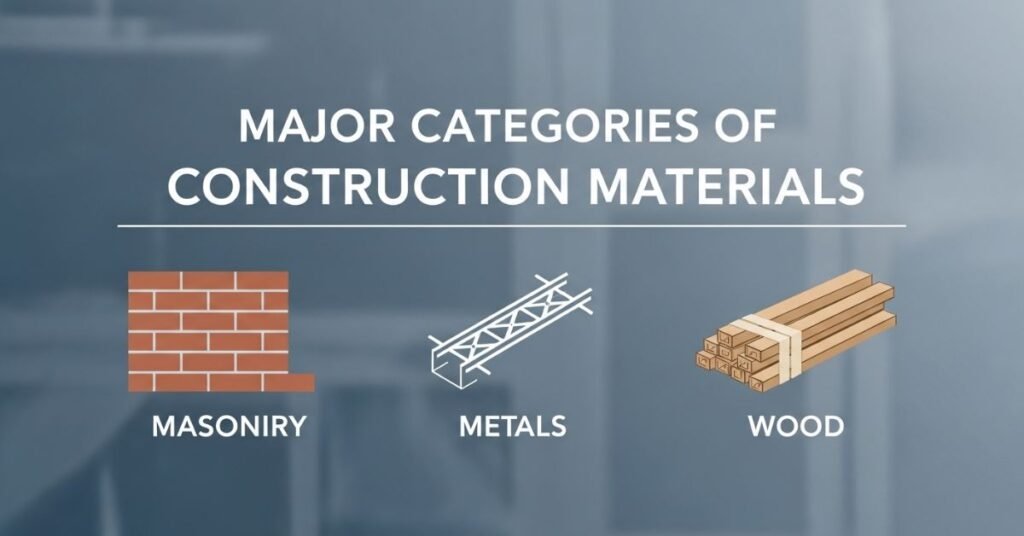
A complete House Construction Material List can be divided into several categories based on the stage of construction. This classification makes it easier to manage materials and plan procurement.
Foundation Materials
Foundation is the base of the building, and it requires strong and durable materials. Common materials used in foundation include cement, sand, aggregates, steel reinforcement bars, and bricks or AAC blocks. Waterproofing materials are also used to prevent moisture damage.
Structural Materials
Structural materials form the main framework of the building. These include cement, sand, aggregates, and steel used in beams, columns, and slabs. Bricks or AAC blocks are used for wall construction. Proper selection of structural materials ensures strength and stability.
Finishing Materials
Finishing materials are used after the structural work is completed. These include tiles, paint, wall putty, plaster materials, doors, windows, and decorative items. Finishing materials improve the appearance and comfort of the house.
Electrical Materials
Electrical materials are essential for wiring and power distribution. These include wires, switches, switchboards, electrical conduits, and distribution panels. Proper planning of electrical materials ensures safety and efficiency.
Plumbing Materials
Plumbing materials are used for water supply and drainage systems. These include pipes, fittings, taps, water tanks, and sanitary fixtures. A good plumbing system ensures proper water flow and hygiene.
20 Building Materials And Their Uses
Understanding different materials and their uses is an important part of the House Construction Material List. Some commonly used materials include cement for binding, sand for plastering and filling, aggregates for concrete strength, and steel for reinforcement. Bricks and AAC blocks are used for walls, while tiles are used for flooring and wall finishing.
Paint and putty are used for surface finishing, and wood or aluminum is used for doors and windows. PVC and CPVC pipes are used in plumbing systems, while electrical wires and switches are used for power supply. Waterproofing chemicals protect structures from leakage, and gypsum is used for ceiling work.
Each material has a specific purpose, and understanding their use helps in better building material estimation.
Building Material Estimation Basics
Accurate building material estimation is essential for preparing a reliable House Construction Material List. Estimation depends on factors such as built-up area, number of floors, design type, and material quality.
For example, cement is required for concrete, plaster, and masonry work, while steel is used in reinforcement. Sand and aggregates are used in concrete and plastering. Bricks or AAC blocks are used for walls.
Engineers calculate material quantities using standard formulas and practical experience. Proper estimation helps in planning costs and avoiding material wastage.
House Construction Material Quantity Estimation Example
Let us consider a simple example of a 1000 square feet house to understand the House Construction Material List better.
For a typical 1000 sq ft house, approximate materials required are:
- Cement: 400 to 450 bags
- Steel: 3 to 4 tons
- Sand: 1500 to 1800 cubic feet
- Aggregates: 1200 to 1500 cubic feet
- Bricks: 8000 to 9000 units
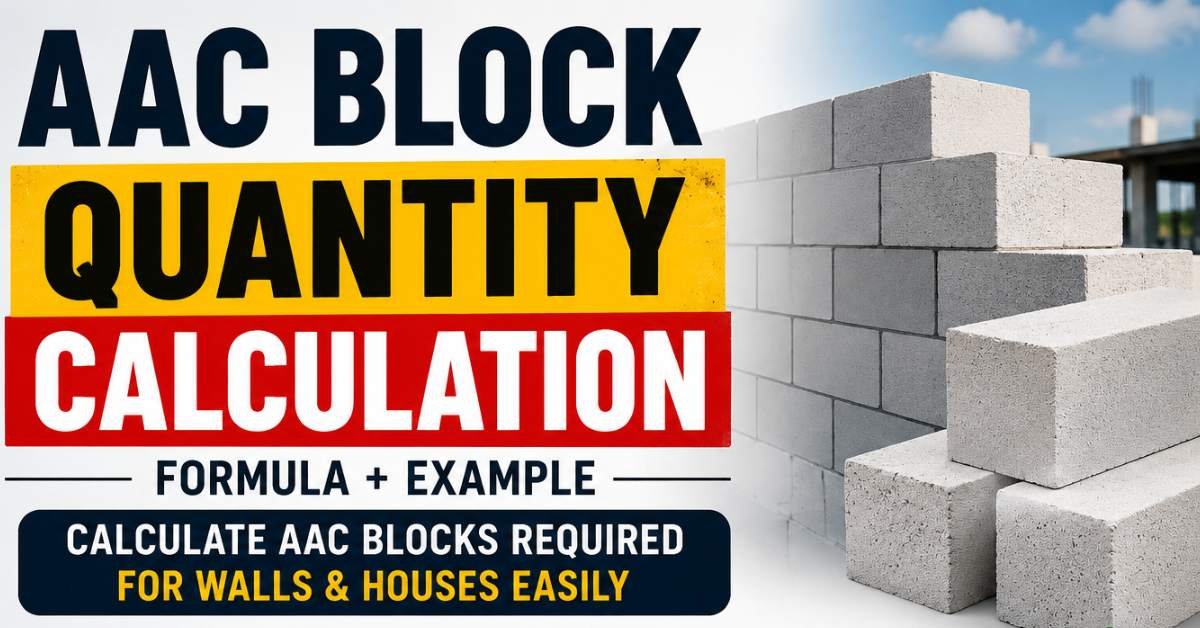
If AAC blocks are used instead of bricks, around 700 to 900 blocks may be required. These values are approximate and may vary depending on design, soil conditions, and construction methods.
This type of estimation forms the basis of a practical construction materials list for house.
House Materials List And Price Planning
Cost planning is an important part of preparing a House Construction Material List. Material prices vary depending on location, quality, and market conditions.
For example, cement prices may range between ₹350 to ₹450 per bag, while steel may cost ₹60 to ₹75 per kilogram. Sand, bricks, and aggregates also have varying prices.
By combining quantity estimation with current prices, you can prepare a detailed house materials list and price plan. This helps in budgeting and financial planning for the project.
Using Excel Or PDF For Material List
In modern construction projects, engineers often prepare the House Construction Material List in Excel or PDF format. Using Excel sheets allows easy calculation, updating quantities, and tracking costs.
A house construction materials list Excel sheet can include columns for material name, quantity, unit, rate, and total cost. This makes it easier to manage the project efficiently.
PDF formats are useful for sharing finalized lists with contractors and suppliers.
Practical Tips For Material Planning
While preparing the House Construction Material List, it is important to follow some practical tips. Always include a small percentage of extra materials to account for wastage. Use standard material sizes and verify quality before purchasing.
Plan material delivery in stages instead of buying everything at once. This reduces storage problems and minimizes damage. Proper storage of materials on site also helps maintain quality.
These small steps improve the accuracy of building material estimation and ensure smooth construction.
Benefits Of Proper Material Listing
A well-prepared House Construction Material List offers several benefits. It helps in better cost control, reduces material wastage, and ensures timely availability of resources. It also improves coordination between engineers, contractors, and suppliers.
With proper planning, construction work becomes more organized and efficient. This leads to faster project completion and better quality results.
Explore more: Click Here
Common Mistakes In Material Estimation
Many beginners make mistakes while preparing the House Construction Material List. Some common errors include underestimating materials, ignoring wastage, and not updating material prices.
Another common mistake is poor planning of material usage, which can lead to delays and increased costs. Avoiding these mistakes helps in creating a more accurate and reliable material list.
Conclusion: House Construction Material List
The House Construction Material List is a crucial part of any construction project. It helps in planning, budgeting, and executing the project efficiently. By understanding material types, estimating quantities, and managing costs, you can ensure smooth construction from start to finish.
Whether you are building your own house or working on a professional project, a well-prepared construction materials list for house will always help you stay organized and avoid unnecessary problems. Proper building material estimation is the key to successful construction.
Explore More: Brickwork Mortar Calculation Formula: How To Calculate Cement & Sand In Brickwork